
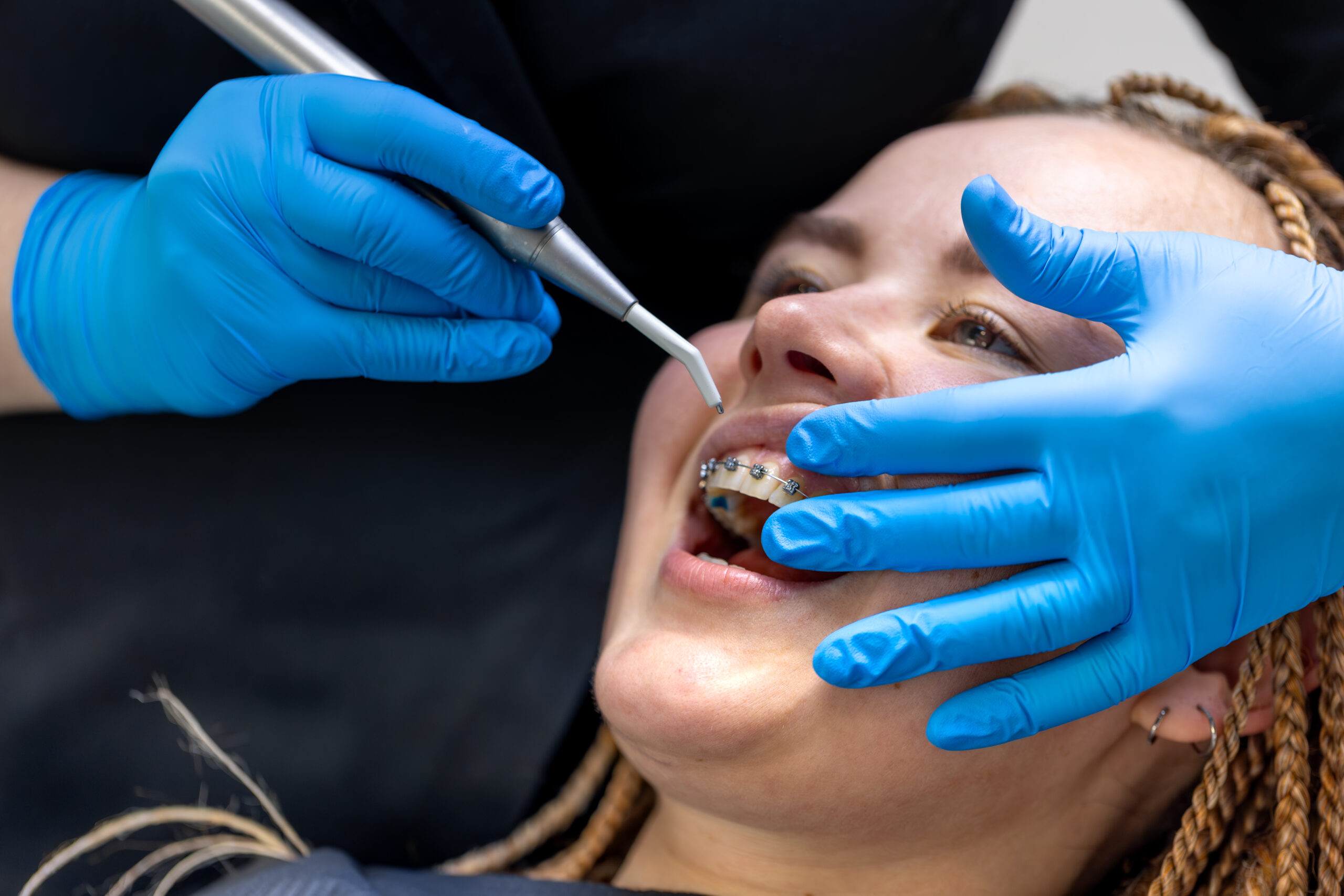
When your teeth have seen better days, the volume of available treatment options can feel overwhelming. Two terms you will likely encounter are dental implants and full mouth restoration. While they are related, they are not the same thing, and understanding the difference could shape the entire course of your treatment.
What Are Dental Implants?
A dental implant is a titanium post surgically placed into the jawbone to replace the root of a missing tooth. Once the post fuses with the bone, a crown is attached on top, creating a tooth replacement that looks, feels, and functions like the real thing.
Dental implants for full mouth cases have become increasingly common. If you have lost most or all of your teeth, full mouth dental implants can anchor an entire arch of replacement teeth without the instability of traditional dentures. Solutions like All-on-4 use just four strategically placed implants to support a complete set of upper or lower teeth.
Dental implants full mouth treatment is typically recommended for patients who have sufficient bone density, are in good general health, and are looking for a long-term, low-maintenance solution to tooth loss.
What Is Full Mouth Restoration?
Full mouth restoration is a broader treatment plan that combines multiple dental procedures to rebuild every tooth in the mouth. It is not a single procedure but a coordinated sequence that may include implants, crowns, bridges, veneers, periodontal therapy, orthodontic treatment, and more.
Where dental implants address tooth replacement specifically, full mouth restoration addresses the entire oral environment: structure, alignment, gum health, bite function, and appearance. It is a medically driven process rather than a purely cosmetic one.
At Smiley Dental Lowell, full mouth restoration is designed for patients dealing with multiple missing teeth, severe decay, chronic jaw pain, failed prior restorations, or advanced gum disease. The goal is to restore complete oral health and function, not just cover up cosmetic concerns.
Key Differences Between the Two
Dental implants are a specific restorative tool. Full mouth restoration is a treatment strategy that may incorporate implants alongside other procedures. Think of it this way: implants can be part of a full mouth restoration, but a full mouth restoration is rarely limited to implants alone.
For patients considering Dental Implants Lowell, it’s important to understand that while implants are highly effective for replacing missing teeth, they may not address all the factors affecting your oral health. Scope is another key distinction. Full mouth dental implants may replace all teeth, but they do not address underlying gum disease, bite misalignment, or bone loss in the same comprehensive way that a full restoration plan does. If those underlying issues go untreated, even the best implants can fail over time.
Which One Is Right for You?
The right solution depends entirely on your current oral health. If you have otherwise healthy gums and bone structure but are missing most or all of your teeth, full mouth dental implants may be the most efficient path forward. If your oral health is more complex, with damaged remaining teeth, significant bone loss, gum disease, or misalignment, a full mouth restoration plan will likely be needed to create a stable foundation before or alongside implant placement.
A thorough evaluation at Smiley Dental Lowell will include X-rays, a review of your bite, an assessment of gum and bone health, and a conversation about your long-term goals. From there, a personalized treatment plan can be built around what your mouth actually needs.
The Role of Modern Technology
Today, patients benefit from digital imaging and 3D scanning that allows dentists to plan implant placement with precision before a single incision is made. Computer-guided procedures reduce recovery time, minimize discomfort, and produce results that closely replicate the natural anatomy of the mouth. Whether you are receiving dental implants for a full mouth or a comprehensive restoration, modern technology gives both the patient and the dentist a much clearer roadmap from start to finish.
Conclusion
Both dental implants and full mouth restoration can deliver life-changing results, but they serve different needs. Implants excel at replacing missing teeth with a durable, natural-feeling solution. Full mouth restoration takes a wider view, rebuilding oral health from the foundation up. For many patients, the best outcome comes from combining both within a carefully coordinated treatment plan.
If you are in Lowell or surrounding areas, including Dracut, Chelmsford, Tewksbury, or Billerica, the team at Smiley Dental Lowell is ready to help you find the right path forward. Call 978-999-9000 or visit the full mouth reconstruction page to schedule your consultation today.
FAQs
What are full-mouth dental implants?
Full mouth dental implants replace an entire arch of missing teeth using implant posts anchored in the jawbone, supporting a fixed or removable full-arch prosthesis.
Who is a good candidate for dental implants full mouth treatment?
Patients with significant tooth loss, adequate bone density, and healthy gums are strong candidates. A thorough evaluation will confirm eligibility.
How long does full mouth restoration take?
Treatment duration varies by complexity. Some cases take several months; others involving bone grafting or phased procedures may take longer.
Are dental implants for full mouth use more expensive than dentures?
Initial costs are higher, but implants typically last decades with minimal maintenance, making them more cost-effective over time.
Will my insurance cover full mouth dental implants?
Coverage varies by plan. Functional restorations often receive partial benefits; cosmetic portions typically do not. Smiley Dental Lowell can help review your options.