
Replace Missing Teeth with Dental Implants in Lowell MA
What Are Dental Implants?
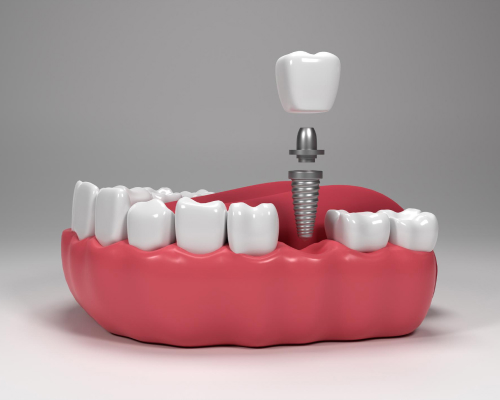
Dental implants in Lowell, MA might sound technical, but they are pretty straightforward. Imagine these implants as sturdy posts that act as a foundation for holding new, artificial teeth. These posts, usually made of titanium, are inserted into the jawbone where they eventually fuse with the bone, creating a firm base for the replacement teeth. Our dental implants service offers a long-lasting alternative to dentures or bridges.
Types of Dental Implants and Their Uses
Dental implants come in various types, each designed to address specific needs. The most common are endosteal implants. These are placed directly into the jawbone and can support one or multiple teeth.
Subperiosteal implants offer an alternative for patients with insufficient bone height. Instead of being embedded in the bone, they sit on top but beneath the gum line.
Zygomatic implants represent a more complex option. They anchor into the cheekbone rather than the upper jaw, making them suitable for those with extensive bone loss.
Mini dental implants provide a less invasive choice for securing dentures or replacing smaller teeth. Their streamlined design allows quicker placement and recovery.
Each type serves unique situations, ensuring that individuals receive tailored solutions based on their oral health needs and lifestyle preferences.
Who is a Good Candidate for Dental Implants?
Ideal candidates for dental implants typically have good oral health and sufficient jawbone density to support the implant.
If you have healthy gums, are committed to maintaining excellent oral hygiene, and do not have any underlying medical conditions that may affect healing, then you may be an ideal candidate for dental implants.
Why Choose Dental Implants?
Natural look and feel: Our porcelain dental implants are crafted to mimic the shape, size, and color of your natural teeth.
Improved function: Eat, speak, and smile with ease—no slipping or discomfort.
Long-term durability: With proper care, dental implants can last a lifetime.
Preserved jawbone health: Dental implants help prevent the bone loss that typically follows tooth loss.
What Are the Benefits of Dental Implants?
Many people live with a missing tooth for too long, mainly out of fear or embarrassment. Dental implants for missing teeth are one of the best options to discuss with your dentist when you’re ready to restore your smile.
- Making chewing and speaking easier
- Provides a permanent solution for an incomplete smile
- Helps to preserve facial structure
- Allows other treatments like bridgework to be more secure and successful
- Stops additional bone loss and gum recession
- If you have dentures, it means you can secure them without the need of glue
How Long Do Dental Implants Last?
Aftercare for Dental Implants?
The best way to care for dental implants is to maintain good oral hygiene — brushing and flossing regularly, as well as visiting your dentist for regular checkups. In addition, it is important to avoid smoking and using any other tobacco products, as these can damage your implants.
Post-procedure care is an important part of ensuring the longevity of your implants. Good oral hygiene is key. Here’s how you can keep your implants in great shape:
Brushing Twice Daily: Use a soft-bristle toothbrush to clean your teeth thoroughly, paying extra attention to your implant area.
Flossing or Using Your Water Flosser Daily: Keeping the areas around your implants clean helps to avoid any potential complications.
Regular Check-Ups: Visiting your dentist regularly allows them to monitor your implants and the health of your gums and surrounding teeth.
Taking good care of your implants means they’ll stay strong and functional for a long time. Just as you would with natural teeth, treat them with care.
Success rate and potential risks
Smiley Dental offers the best dental implants in Lowell, with an excellent success rate. In most cases, they will last a lifetime with proper care and maintenance. With proper care, dental implants can last for many years. Most people do not have any problems with their implants, and they enjoy all the benefits of having a healthy set of teeth.
However, like with any medical procedure, there are some potential risks involved. In rare cases, an infection can occur, and the implant may need to be removed. If you smoke or have gum disease, you may have a higher risk of implant failure. Make sure to discuss any potential risks with your dentist before having the procedure done.
Frequently Asked Questions
Are dental implants painful?
How long is the recovery period?
Are implants as strong as natural teeth?
Can implants fail?
Is everyone a candidate for implants?
Get in Touch with Us
If you’re looking for quality dental implants in Lowell or surrounding communities such as Dracut, Chelmsford, Tewksbury, Billerica, Tyngsborough, or Methuen, contact Smiley Dental Lowell today at 978-999-9000. Our team is here to help you achieve a smile you’ll love.
Our Rewards






Our Services

Root Canals
If you’re dealing with a toothache, sensitivity, or swelling, you may worry the tooth needs to be...
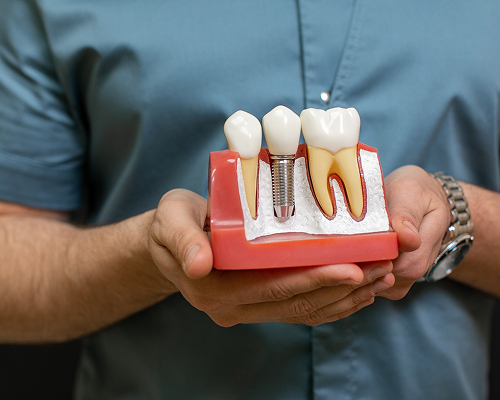
Dental Implants
Dental implants might sound technical, but they are pretty straightforward. Imagine these...

Dentures
Dentures are a set of artificial teeth attached to a gum-like substance that replaces one or...
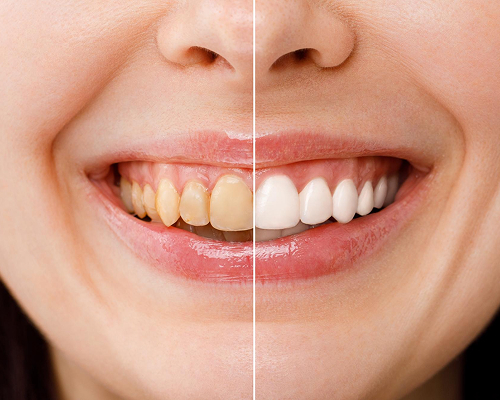
Teeth Whitening
Bleaching can help us correct tooth discoloration. Tooth discoloration can be the resul...