Restore Your Smile with Dentures in Lowell MA
What are Dentures?
Types of Dentures
Full Dentures
Conventional Full Dentures: Made after teeth are pulled out and the gums have had a chance to heal, which can take a few months. They are designed to fit comfortably and restore full oral function.
Immediate Full Dentures: Placed right after natural teeth are removed. They provide a solution immediately but may require adjustments as the gums heal and change shape.
Partial Dentures
Removable Partial Dentures: They can be removed from the mouth for cleaning and maintenance. They are held in place by clasps that attach to the remaining natural teeth.
Fixed Partial Dentures (Bridges): Cemented in place and are not removable. They are often used when only a few teeth are missing and provide a more permanent solution.
Implant-Supported Dentures
Bar-Retained Dentures: These dentures are attached to a bar that is connected to the dental implants. The dentures snap onto the bar, providing a stable fit.
Ball-Retained Dentures: These dentures have attachments that fit onto ball-shaped connectors on the dental implants, ensuring a secure and comfortable fit.
What Does the Denture Process Involve?
In order to make a denture, your dentist works closely with a dental lab technician. We begin with detailed replicas of your gums (and teeth if we are planning an immediate denture). We work with the patient to select the size, shape, position and color of the teeth. The denture process includes several visits in our office for molds, measurements and try-ins.
When the final denture is ready, you return for a delivery appointment, which includes bite adjustments and fit adjustments as needed.
When Are Dentures the Right Choice?
Advantages of Dentures:
- Quick and affordable solution
- Non-invasive surgery is required
- Can be customized to closely match the natural appearance of your smile
To ensure the best outcomes with dentures, following proper restorative dental practices is crucial:
Regular Check-Ups
Proper Cleaning and Maintenance
Safe Storage
Frequently Asked Questions
How long does it take to adjust to dentures?
Will dentures change how I speak or eat?
Do dentures need to be removed at night?
How long do dentures last?
What if my dentures feel loose?
Get in Touch with Us
If you’re looking for quality dental care in Lowell or surrounding communities such as Dracut, Chelmsford, Tewksbury, Billerica, Tyngsborough, or Methuen, contact Smiley Dental Lowell today at 978-999-9000. Our team is here to help you achieve a smile you’ll love.
Our Rewards




Our Services

Root Canals
If you’re dealing with a toothache, sensitivity, or swelling, you may worry the tooth needs to be...
Dental Implants
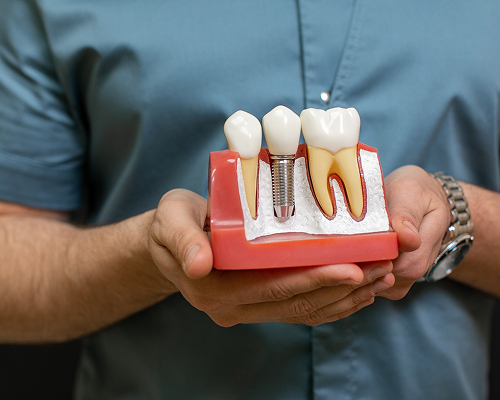
Dental implants might sound technical, but they are pretty straightforward. Imagine these...

Dentures
Dentures are a set of artificial teeth attached to a gum-like substance that replaces one or...
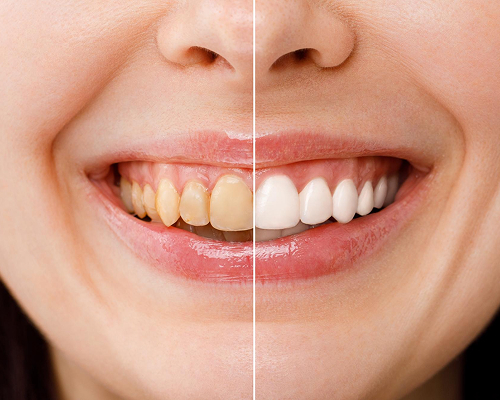
Teeth Whitening
Bleaching can help us correct tooth discoloration. Tooth discoloration can be the resul...