
Dental Exams
A dental exam will include a number of assessments and procedures aimed at evaluating the general health of your teeth, gums and mouth.
Differentiating the following aspects:
Reviewing the medical history. Dental team will ask a patient some questions about his health and medical conditions which will help to identify if there are any potential issues or factors that can affect oral health.
A complete visual exam. Dentist will conduct a visual exam of the patient’s mouth to identify and diagnose decay, gum disease, or any abnormalities.
X-Rays and other imaging. Radiography and other imaging procedures can help to identify problems that a visual exam will not uncover. Impacted teeth, bone loss and other issues like changes in the jaw structure can be revealed by a professional dental X-ray.
Fluoride treatments. Especially for children
Sealants. Coverings that are applied to the chewing surfaces of permanent molars that help to protect the inside of the tooth from decay.
Education and information. Your dentist or dental hygienist may provide your with information and instruction about how to take care of your teeth at home
Brushing and flossing instruction
Nutrition and/or smoking cessation counseling
Space maintainers. For children
How often should i have regular cleanings and exams done on my teeth?
Preventing Future Dental Problems
Regular dental exams are the first step in protecting your mouth against future dental problems. Dentists can identify possible trouble spots early and address them before they worsen, saving you the pain and expense of more invasive and advanced treatments. Don’t think that routine check-ups are only important for maintaining a healthy smile. In fact, they’re vital to your overall health. Here’s what can happen if you skip preventive dental care:
Advanced decay and cavities: Tooth decay is a common problem and without regular exams, cavities can advance to the point of requiring root canals or crowns. Catch them early and your dentist can help reverse the effects of a cavity.
Advanced gum disease: Gum disease is a leading cause of tooth loss in adults. Advanced gum disease and receding gums can require gum surgery to improve. Without regular check-ups, your dentist may be unable to restore your gum health.
Misaligned teeth and jaw problems: Without regular check-ups to monitor the alignment of teeth and jaw, orthodontic work can become more complicated and expensive.
Oral cancer: Oral cancer can be detected during routine exams and the survival rate is much higher when treatment is started early.
Costs of dental procedures go up: The earlier a dental problem is discovered and treated, the less invasive the process will be.
Preventative dental care involves patient education to establish or maintain good oral hygiene habits as well as some specific services.
Patient education. The more your dentist knows about your lifestyle and health history, the better you can be advised on the right oral care habits.
Diagnostic screening. Routine dental exams and diagnostic procedures help find problems early, when they’re easiest to treat.
Basic oral hygiene. Good dental habits, including brushing, flossing, and regular visits to the dentist, are one of the most important components of preventative care.
Healthy Lifestyle Promotes Healthy Oral Health. Practicing good habits will benefit the entire body, including the teeth and gums.
Oral health is integral to overall health, and these regular checkups are important for maintaining good health throughout your life.
Benefits of Dental Preventive Care
Differentiate additional factors below to support the value of preventive care.
Helps to prevent tooth decay and gum disease. These are some of the most common dental problems that people face, and which can eventually lead to tooth loss. Regular dental check-ups can help your dentist identify and treat them at an early stage.
Helps to identify systemic diseases. Your dentist can sometimes help to detect systemic diseases that you may not be aware of, such as diabetes and heart disease.
Helps to avoid invasive dental procedures. If your dentist is able to spot small cavities at an early stage, you’ll have less need for invasive dental procedures, like root canals or tooth extraction.
Impacts of Oral Health Conditions on Overall Health
It should be mentioned that an oral problem can have systemic impacts, which may include:
Link to systemic diseases. Oral health is connected to serious health conditions like heart disease, diabetes and respiratory problems.
Inflammation. Gum disease can cause inflammation in the body, which has been known to affect overall health and result in additional medical costs.
Savings on health care. Preventing dental problems can help you reduce the risk of developing health issues elsewhere, which will save you money on health care in the future.
Healthy Lifestyle. Good oral health goes hand-in-hand with a healthy lifestyle, which can help you avoid the need for additional medical care.
Early Treatment. Dental problems can often be treated early, which can lead to overall better health outcomes.
Frequently Asked Questions
How often should I get a dental exam?
Do dental exams hurt?
Are X-rays safe?
Can a dental exam detect other health issues?
What happens if I skip exams?
Problems progress unnoticed and may require costly or invasive treatments later.
Get in Touch with Us
If you’re looking for quality dental care in Lowell or surrounding communities such as Dracut, Chelmsford, Tewksbury, Billerica, Tyngsborough, or Methuen, contact Smiley Dental Lowell today at 978-999-9000. Our team is here to help you achieve a smile you’ll love.
Our Rewards
Our Services

Root Canals
If you’re dealing with a toothache, sensitivity, or swelling, you may worry the tooth needs to be...
Dental Implants
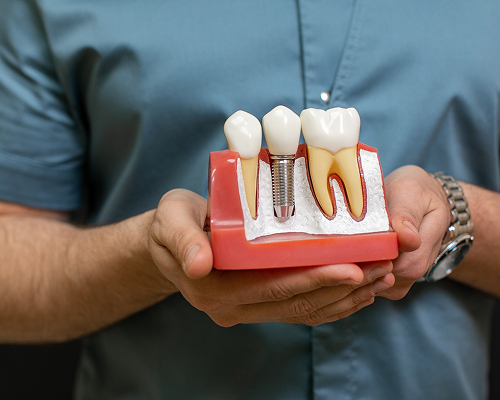
Dental implants might sound technical, but they are pretty straightforward. Imagine these...

Dentures
Dentures are a set of artificial teeth attached to a gum-like substance that replaces one or...
Teeth Whitening
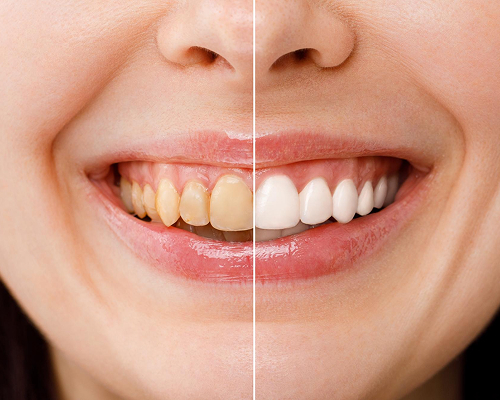
Bleaching can help us correct tooth discoloration. Tooth discoloration can be the resul...