Stop Gum Disease with Periodontal Therapy in Lowell MA
What is Periodontal Therapy?
If you’re searching for a trusted dentist for gum disease in Lowell, periodontal therapy is one of the most effective conservative and nonsurgical approaches to bringing periodontal disease under control. At Smiley Dental Lowell, our periodontal dental care program is designed to restore gum health to its best condition, preventing tooth loss from recurring in the future. Whether you need routine periodontal therapies or advanced periodontal disease surgery, our Lowell team creates a treatment plan tailored to your specific stage of gum disease.
Symptoms of periodontitis?
- Bad breath
- Bite changes
- Bleeding gums
- Teeth gum recession
- Loose teeth
- Pain when chewing
- Reddish or purplish gums
- Swollen gums
Treatments options
Nonsurgical treatments
In case periodontitis is not too far gone, our periodontal therapies in Lowell include nonsurgical procedures, such as:
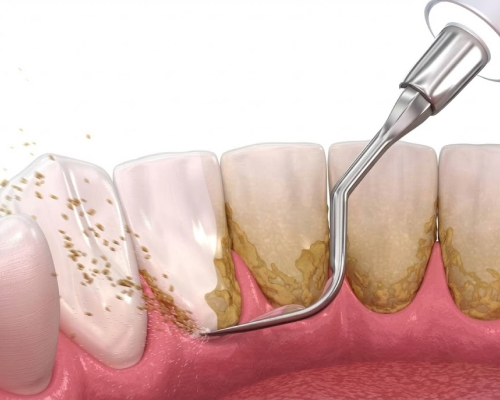
Scaling. Scaling refers to the process of removing tartar and bacteria from the tooth surface and below the gumline. It can be done using instruments, a laser, or an ultrasonic device.
Root planing. Root planing is the smoothing of root surfaces. This limits the accumulation of tartar and bacteria on the root surfaces. It also allows the gum to reattach itself to your teeth. Root planing is usually done along with scaling as part of a comprehensive periodontal dental care plan.
Antibiotics. Topical or oral antibiotics can be used to control bacterial infection. Topical antibiotics may include antibiotic mouth rinses, or placing a gel containing antibiotic into the gum pockets. Oral antibiotics may be required at times to get rid of bacteria that cause infections.
Surgical treatments
Advanced periodontitis may require periodontal disease surgery, which may include:
Flap surgery, also known as pocket reduction surgery. Periodontist makes incisions in the gums to carefully fold back the tissue. The tooth roots are exposed for a more effective scaling and root planing. As periodontitis results in loss of bone, the underlying bone is reshaped before the gum tissue is stitched back in place. After healing, it will be much easier to clean the spaces between the teeth and maintain healthy gum tissue.
Soft tissue grafts. When gums receding from teeth, the gum line gets lower and exposes some of the tooth roots. It may be required to have some of the affected tissue reinforced. This is often done by removing a small amount of tissue from the roof of the mouth or tissue from another donor source and attaching it to the affected site. This can help prevent further gum loss, cover the exposed roots, and is also a key part of cosmetic dentistry gum recession, restoring a better appearance to the teeth.
Bone grafting. Bone grafting is performed if periodontitis destroys the bone around your tooth root. It also helps patients who are considering dental implants with gum disease, as rebuilding the bone provides the foundation needed for successful implant placement. It also provides a platform for the regrowth of natural bone.
Guided tissue regeneration. It helps in the regrowth of bone that was destroyed by bacteria. In one method, your dentist places a special kind of fabric between the existing bone and your tooth. The material prevents the growth of unwanted tissue from filling the healing area and enables bone to grow back instead.
Tissue-stimulating proteins. In another method, a special gel is applied to a diseased tooth root. The gel contains the same proteins that are present in the developing tooth enamel and stimulates the growth of healthy bone and tissue.
At-Home Aftercare Tips
Once your periodontal therapies are complete, you can continue with your regular oral health care routine to keep the gums in optimal health. The routine includes flossing and then brushing for at least 2 minutes after every meal. Consuming meals that have high immune-boosting properties, like fruits and vegetables, can also help your gums heal.
In case your dentist prescribed you antibiotics, you must take care to finish off the prescription. This will help in reducing the possibility of the bacteria developing resistance to the medicine. It’s also a good idea to visit your Lowell dentist frequently in short periods, so that your oral health care provider can keep a check on the health of your teeth and gums as part of ongoing periodontal dental care in Lowell.
Complications of periodontitis
Left untreated, periodontitis can lead to complications including cosmetic dentistry for receding gums becoming necessary such as:
- Gum or tooth abscesses
- Gum pain
- Gum recession
- Loose teeth
- Tooth loss
How to Prevent Gum Disease?
Knowing how to prevent periodontal disease is just as important as treating it. Follow these steps recommended by our Lowell dental team to protect your gums long-term:
- Get professional dental cleaning done on a regular basis to get rid of tartar buildup
- Stop smoking
- Brush and floss your teeth, maybe with an electric toothbrush to remove food particles
- Reduce stress
- Maintain proper nutrition to support the immune system
- Use mouthguards to control the impact of teeth grinding and clenching
Periodontal therapy remains one of the most reliable conservative, nonsurgical treatments to prevent periodontal disease from progressing. Combined with routine periodontal dental care and good home hygiene, most patients can keep gum disease from returning after treatment.
Frequently Asked Questions
Is gum disease reversible?
Early gingivitis is reversible; advanced periodontitis can be managed but not reversed. This is why early treatment from a dentist for gum disease in Lowell matters; catching it in the gingivitis stage avoids the need for periodontal disease surgery later.
Does periodontal treatment hurt?
Numbing is used to ensure comfort during deep cleaning.
How long does healing take?
Initial healing takes 1–2 weeks; gum re-attachment continues for months.
Will I need surgery?
Only if gum disease is advanced or pockets are too deep. Most patients respond well to nonsurgical periodontal therapies like scaling and root planing before surgery is ever considered.
How often should I return after treatment?
Many patients need maintenance cleanings every 3 months as part of ongoing periodontal dental care.
Get in Touch with Us
If you’re looking for a trusted dentist for gum disease in Lowell or surrounding communities such as Dracut, Chelmsford, Tewksbury, Billerica, Tyngsborough, or Methuen, contact Smiley Dental Lowell today at 978-999-9000. Our team is here to help you achieve a smile you’ll love.
Get in Touch with Us
If you’re looking for a trusted dentist for gum recession in Lowell or surrounding communities such as Dracut, Chelmsford, Tewksbury, Billerica, Tyngsborough, or Methuen, contact Smiley Dental Lowell today at 978-999-9000. Our team is here to help you achieve a smile you’ll love.
Our Rewards







Our Services

Root Canals
If you’re dealing with a toothache, sensitivity, or swelling, you may worry the tooth needs to be...
Dental Implants
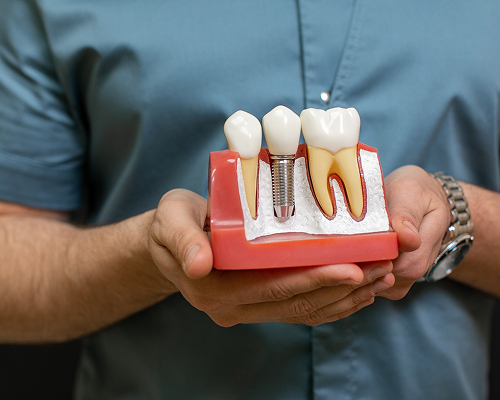
Dental implants might sound technical, but they are pretty straightforward. Imagine these...

Dentures
Dentures are a set of artificial teeth attached to a gum-like substance that replaces one or...
Teeth Whitening
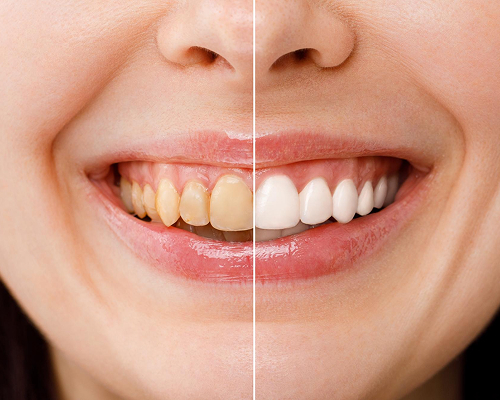
Bleaching can help us correct tooth discoloration. Tooth discoloration can be the resul...