

Expert Tooth Trauma Treatment in Lowell MA
What is Dental Trauma?
Common Types of Dental Trauma
Dental Injuries
Dental injuries are those that occur right on your tooth itself. While a dental injury can look a little different for everyone, we have compiled a list of how they are categorized and treated by a dentist in order to prepare you or your loved one for what to expect from this injury.
Enamel Infraction – This is when there is a very small crack in the enamel (the outside layer of the tooth) which, while it is still an injury, tends to be easily treated by a dentist. They will etch and seal the crack with resin in order to prevent discoloration of the cracked tooth.
Enamel fracture – This is a small chip of enamel on the tooth. In the event that tooth fragments can be salvaged, a dentist will bond these back together. Otherwise, they can still restore the tooth with composite resin.
Enamel-dentine fracture – A slightly more advanced chip that extends to the dentin as well (the structure directly underneath the enamel that provides its support). As with an enamel fracture, these can be restored with the tooth fragments (if available) or with resin. However, in the case that enough dentine is lost too close to the pulp of the tooth, the dentist will need to place calcium hydroxide over the injury, and cover it with a filling.
Periodontal injuries
Periodontal injuries are those that occur on the soft tissue in and around the teeth, though they can also overlap with dental injuries.
Concussion – A tooth concussion is generally when a tooth (or several teeth) have been damaged without being dislodged from the gums. Instead, the teeth will simply be tender. The dentist will monitor the concussion for symptoms over several appointments to make sure no further treatment is necessary.
Subluxation – A tooth that has withstood trauma and is mobile but not dislodged from the gums. This means that the tooth is wiggling loose within the socket. In addition, there may be bleeding from around the gums of the affected tooth as well. A dentist will most likely place a splint in order to stabilize the tooth, and then will perform follow-up exams to make sure it has not become loose.
Lateral luxation – A fracture to the alveolar bone and a separation from the periodontal ligament–which connects your tooth to the alveolar bone–causes the tooth to appear to be displaced in either a forward or backward position along the gum line. While this tooth may not be loose, it is misaligned. Your dentist will realign it and place a flexible splint that will remain in for about 4 weeks. After that, you will have check-ups about every 2 weeks after the treatment to make sure there were no complications and the injury has healed.
Symptoms of dental trauma?
- Toothache
- Discolored tooth
- Pain in your mouth
- Swelling
- Bleeding from your mouth
- Loose tooth, even slightly
- Difficulty moving your jaw or opening your mouth wide enough
What causes dental injuries?
- Falling over
- Being hit in the face
- Having an accident playing sport
- Eating something hard
- Fractured jaw
- Traffic accidents
How is dental trauma treated?
Some common dental trauma treatments include:
- Dental fillings and dental bonding.
- Root canal therapy.
- Restabilization or replantation.
- Tooth extraction.
- Tooth replacement.
How long does it take for dental trauma to heal?
The length of time that dental trauma takes to heal will depend on the type of injury that was sustained. Minor traumas, like those to soft tissue, may heal in less than a week. Tooth traumas will take about four to six weeks to heal, though if the damage was extended to the tooth pulp, it may take several months for a complete recovery.
Dental trauma can be both mild and severe, and can affect your teeth, gums, tongue, lips, jaws or other areas of your mouth. Even if you do not experience pain, it is a good idea to call a dentist any time you have sustained a dental injury. Quick treatment will give you the best chance at saving natural teeth and restoring your oral health.
Frequently Asked Questions
Should I go to the ER or dentist for dental trauma?
Dentist first, unless there is uncontrollable bleeding or jaw fracture.
What should I do if a tooth is knocked out?
Can injured teeth turn dark later?
Is dental trauma always painful?
Can a cracked tooth always be saved?
Schedule your Emergency Visit
Need relief fast? Call our Lowell team today.
Call 978-999-9000 to book now.
Other locations: Boston 857-888-8000 • Beverly 978-288-1000 • Waltham 781-666-6000 • Fairhaven 508-967-1000
Our Rewards









Our Services

Root Canals
If you’re dealing with a toothache, sensitivity, or swelling, you may worry the tooth needs to be...
Dental Implants
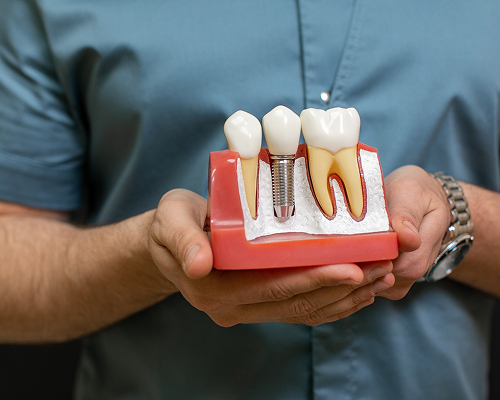
Dental implants might sound technical, but they are pretty straightforward. Imagine these...

Dentures
Dentures are a set of artificial teeth attached to a gum-like substance that replaces one or...
Teeth Whitening
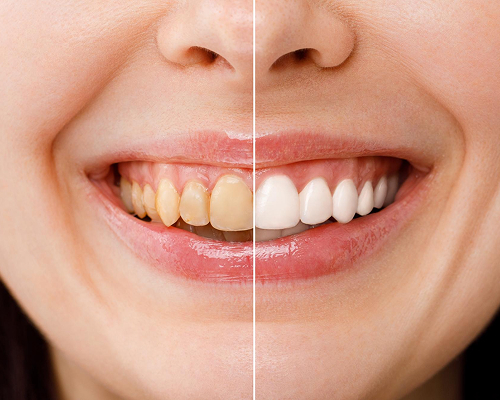
Bleaching can help us correct tooth discoloration. Tooth discoloration can be the resul...