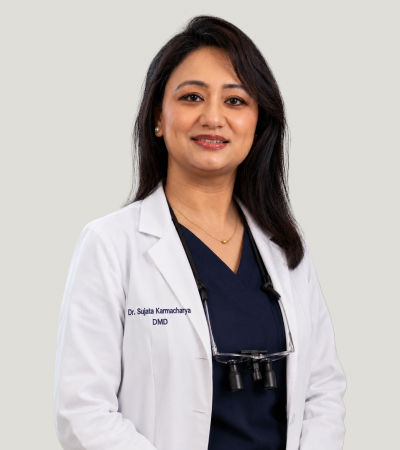
Dr. Sujata Karmacharya has been providing patient-centered, high-quality dental care for more than a decade. With clinical experience in both Nepal and the United States, she combines a strong foundation in dentistry with a compassionate approach to patient care.
Inspired by her passion for science and her desire to help others, Dr. Karmacharya pursued a career in dentistry and earned her Doctor of Dental Medicine (DMD) degree with Honors from Boston University.
She is dedicated to creating a comfortable and positive dental experience for every patient. Known for her gentle chair-side manner, Dr. Karmacharya is especially passionate about easing dental anxiety and helping patients feel relaxed and confident throughout their treatment.
Dr. Karmacharya is an active member of the American Dental Association and remains committed to staying current with advancements in dental care and technology. Dr. Karmacharya is multilingual as she speaks Nepali, Bengali and Hindi.
Outside of the office, she enjoys cooking, spending time with her family, and creating lasting memories with her loved ones.
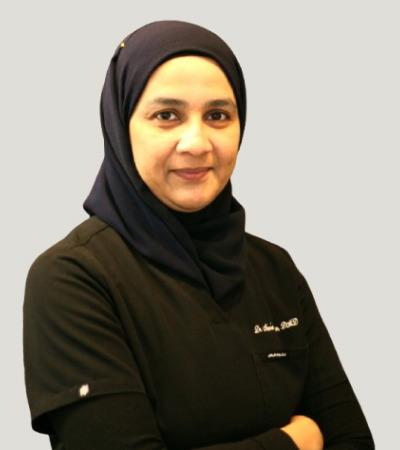
Dr. Nazia Pathan is a highly skilled, passionate and experienced dentist with 19 years of dental experience. She has practiced in India and USA. She graduated from Boston University with DMD High Honors. She has served diverse populations with oral & dental health education and treatment. She is certified in surgically placing implants and prosthetic restorations and holds a Fellowship of ICOI. She has also participated in various clinical case discussions with experts in the field of implants. She seeks to contribute to the advancement of preferential treatment in dentistry and apply her knowledge and skills to help more people smile with confidence.
Dr. Pathan is committed to staying up-to-date with the latest advancements in dental technology and techniques. She regularly attends continuing education courses and is a member of the American Dental Association and Academy of General Dentistry. She lives in Waltham with her husband and 2 kids. When not practicing, she likes to travel and read new books.
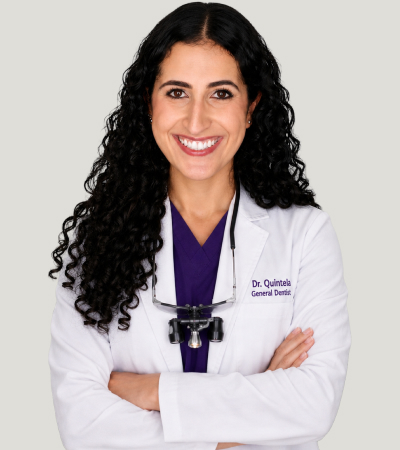
Dr. Quintela is a dedicated general dentist committed to providing thoughtful, patient-centered care. She earned her Doctor of Dental Medicine degree from the Harvard School of Dental Medicine and her Bachelor of Science, cum laude, from Yale University, where she studied Psychology/Neuroscience and completed an Advanced Language Certificate in Spanish. She further advanced her clinical training through a one-year Advanced Education in General Dentistry residency at the Miami VA Medical Center, gaining extensive experience in comprehensive dental care.
Dr. Quintela is bilingual in English and Spanish, allowing her to connect with a broad range of patients. She has been recognized for her clinical excellence with the Academy of Operative Dentistry Award for Outstanding Achievement in Operative Dentistry. She is passionate about delivering gentle, detail-oriented care to help patients of all ages achieve healthy smiles.
A South Florida native, Dr. Quintela enjoys spending time in the sun and by the water. Outside of dentistry, she enjoys spending time with family and friends, exercising and practicing yoga, cooking, reading thriller novels, and traveling.
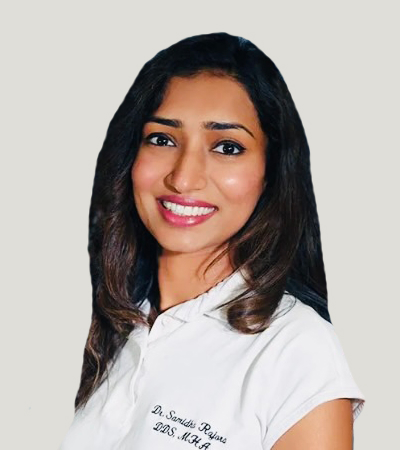
A proud graduate of University of Minnesota, Dr Rajora earned Doctor of Dental Surgery (DDS) degree with honors in Oral Surgery and Periodontics. Her clinical skills span a wide range of treatments including invisalign, veneers, crowns, bridges, extractions, dentures, root canals and dental implantology. With a strong foundation in both cosmetic and surgical dentistry, I focus on delivering comprehensive, compassionate care tailored to each patient’s needs.
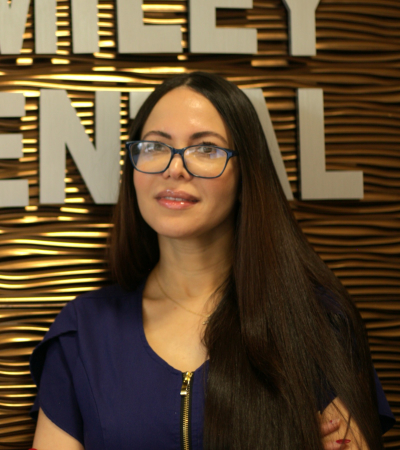
Arianny brings a deep passion for dentistry and a true commitment to creating positive experiences for every patient who walks through our doors. With a warm personality and a calm, reassuring presence, she focuses on making each visit as comfortable and stress-free as possible. Her dedication to patient care is at the heart of everything she does.
As a certified dental assistant with 10 years of experience, Arianny offers exceptional chairside support and clinical skill. She excels at explaining procedures, helping patients feel at ease, and assisting the dental team with precision and professionalism. Her combination of experience, compassion, and patient-first mindset makes her a valued member of the Smiley Dental team.
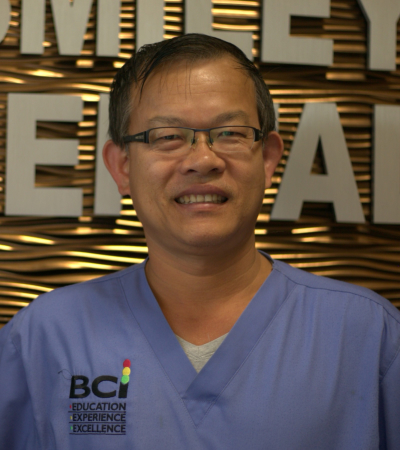
Hoeung Puy, known as Puy, brings international dental training and hands-on experience to our clinical team. He studied dentistry at the International University of Phnom Penh from 2004 to 2009, where He also worked part-time as a dental assistant. After graduating, he continued his career as a practicing dentist in Cambodia before moving to the United States in 2021. Her strong clinical foundation and patient-centered approach make him a tremendous asset to Smiley Dental.
After relocating, Puy continued his education at BCI and began working part-time as a dental assistant in 2024. He is committed to providing gentle, knowledgeable care and helping patients feel comfortable throughout their visit. Puy is proud to bring his experience to our team and is dedicated to supporting both patients and colleagues every day.
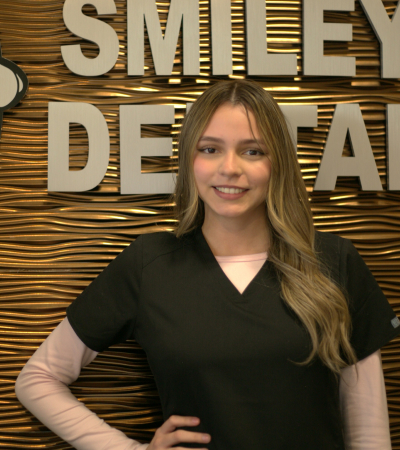
Nadiuska Santos is a valued member of our team, originally from Puerto Rico and dedicated to creating a positive experience for every patient. She began her healthcare journey at the age of sixteen, graduating from Greater Lowell Technical High School in 2025 with a focus on pre-nursing. Her early work as a CNA and later as a pharmacy technician strengthened her skills in patient care, communication, and customer service—experiences that shaped her passion for helping others.
Fluent in Spanish, English, and Portuguese, Nadiuska brings warmth and comfort to our front desk and clinical spaces. She strives to make each visitor feel welcome, safe, and support throughout their dental visit. Her goal is simple: to make a meaningful difference in the lives of the patients and families who trust Smiley Dental with their care.
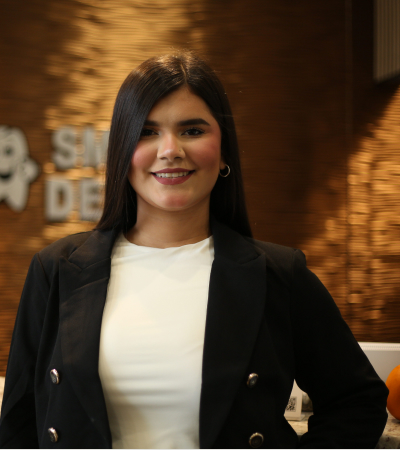
Jureilis Carmona is a dedicated patient coordinator at Smiley Dental, originally from Puerto Rico and fluent in Spanish, English, and Portuguese. She takes great pride in helping patients feel comfortable, safe, and genuinely cared for from the moment they arrive. With a warm personality and a natural talent for customer service, Jureilis creates a welcoming environment for every patient and ensures their visit runs smoothly.
A 2025 high school graduate, Jureilis is currently pursuing cosmetology with the goal of becoming a skilled and high-value makeup artist. She also brings experience from the retail field, where she has developed strong communication and service skills. Her passion for helping others, combined with her commitment to making a positive impact, makes Jureilis an essential and valued part of our team at Smiley Dental.
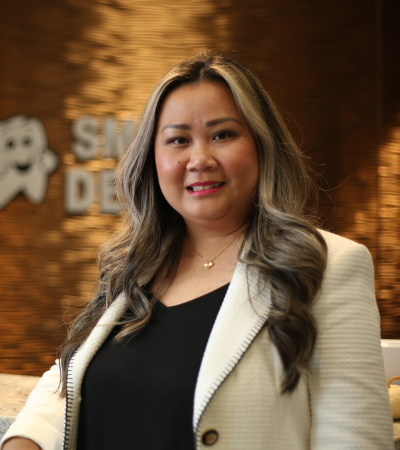
Muy Tang is our Office Manager and an important leader at Smiley Dental. Before entering the dental field, she spent more than 17 years building a successful career in banking and finance, including extensive work as a mortgage loan officer. She also brings valuable entrepreneurial experience from managing her own e-commerce business. Muy joined Smiley Dental in 2024 and continues to apply her strong organizational skills, leadership abilities, and customer-focused mindset to support our growing team.
Bilingual in Khmer and English, Muy is known for her attention to detail, analytical approach, and commitment to creating a smooth, coordinated experience for every patient. She takes great pride in supporting her staff and making sure each person who visits us feels welcome and well cared for. Her dedication to serving the community is reflected in everything she does.
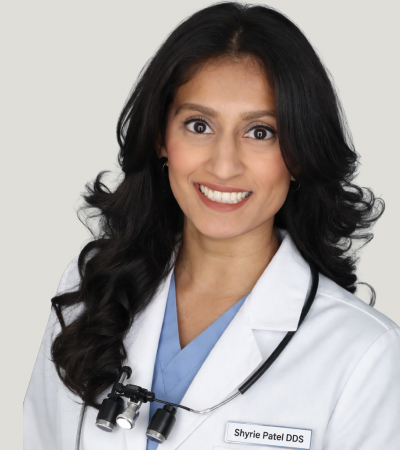
Dr. Shyrie Patel, DDS, MPH earned her Doctor of Dental Surgery degree from the University of Michigan School of Dentistry and holds a Master of Public Health from Harvard University. She completed a General Practice Residency at the University of Washington and an Oral & Maxillofacial Surgery Internship at Massachusetts General Hospital and Harvard Medical School, where she trained alongside leading surgeons and gained experience caring for medically complex patients.
Dr. Shyrie provides comprehensive dental care including preventive, restorative, cosmetic, and surgical treatments. She is passionate about delivering patient-centered care, taking time to listen to concerns, ease anxiety, and develop treatment plans that support both oral health and overall wellbeing.
Her background in public health shapes her emphasis on prevention, education, and long-term health. Dr. Shyrie has also served as clinical faculty at Harvard School of Dental Medicine and remains committed to continuing education and staying at the forefront of modern dentistry.
Outside the office, Dr. Shyrie enjoys spending time with family and friends, cooking, and playing soccer. She is also a former semi-professional soccer player.
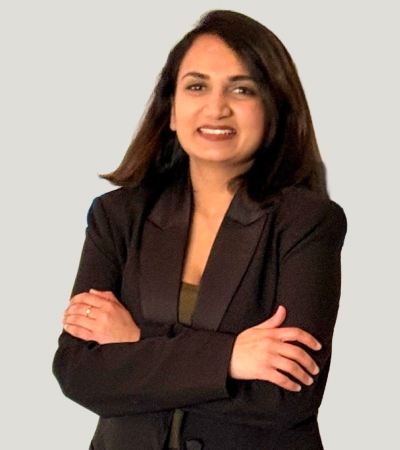
Dr. Niharika Singh is a dedicated and compassionate dentist who completed her dental training in India, graduating as the Best Outgoing Student and earning multiple awards for outstanding achievement in dentistry. She further advanced her clinical expertise by completing Surgical Implantology at UCLA, where she later earned her DDS degree with honors.
Dr. Singh was inducted into the prestigious Alpha Omega Dental Honor Society, recognizing her commitment to scholarship, leadership, and service. She is passionate about delivering high-quality, patient-centered care and advancing access to oral health in underserved communities.
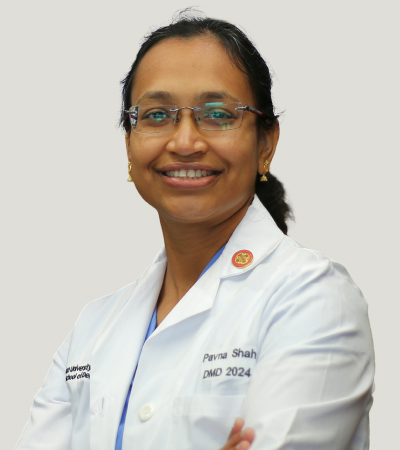
Dr. Shah brings a global perspective and over 15 years of experience to her dental practice. She began her dental journey in India, where she earned her Bachelor of Dental Surgery degree. Driven by a passion for providing comprehensive, patient-centered care, Dr. Shah pursued advanced education in the United States at Boston University with High honors.
Dr. Shah is passionate about staying on the leading edge of dentistry and invests a lot of time into continuing education. Her clinical interests include preventive dentistry, restorative procedures, and creating healthy, confident smiles for patients of all ages. She is also a certified Invisalign provider.
Dr. Shah is committed to delivering high-quality care with compassion and precision. She believes in building strong relationships with her patients and staying current with the latest advancements in dental technology and techniques. Dr. Shah enjoys spending time with her family, traveling, and exploring new cuisines.
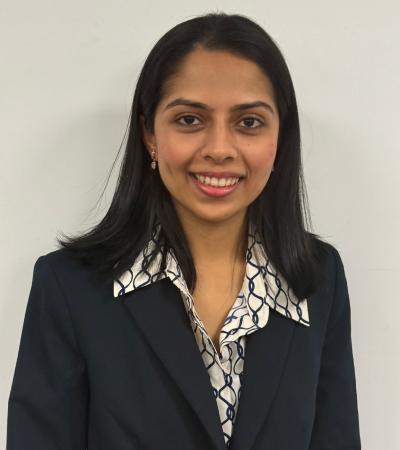
Dr. Karishnee Patel is a compassionate dentist who believes oral health is a key part of overall well-being. She earned her Doctor of Dental Medicine (DMD) from the Rutgers School of Dental Medicine, building a strong foundation in advanced clinical techniques and patient-centered care.
With more than seven years of experience, Dr. Patel’s philosophy goes beyond relieving toothaches. She focuses on whole-person dentistry looking for root causes, using evidence-based treatments, and tailoring care to each patient’s health goals.
Dr. Patel takes time to understand your needs and lifestyle, then creates a personalized plan whether you’re here for routine maintenance, cosmetic enhancements, or advanced restorative work. Her goal is simple: guide you toward a healthier, happier smile.
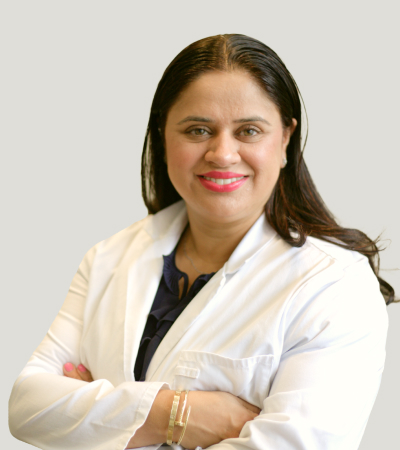
Dr. Aparna Khanna is a graduate of Boston University Henry M. Goldman School of Dental Medicine (2010) with more than 20 years of experience. Inspired early by her father, a renowned pedodontist (pediatric dentist), she now practices at Smiley Dental’s Lowell office and helps oversee operations across our locations.
Her clinical focus includes cosmetic, restorative, and preventive care. She provides dental implants, crowns and bridges, dentures (complete, partial, implant-retained), root canal therapy, and tooth-colored fillings. Dr. Khanna is an Invisalign-certified provider and offers clear aligner therapy to improve bite and smile alignment. She welcomes patients of all ages and pays special attention to seniors and people with disabilities.
Dr. Khanna founded Smiley Dental in 2013 and has grown it into a multi-location, metrics-driven Dental Service Organisation (DSO), employing more than 60 team members. Outside the office, she’s active in the local community and enjoys spending time with her family, traveling, hiking, and exploring nearby trails.
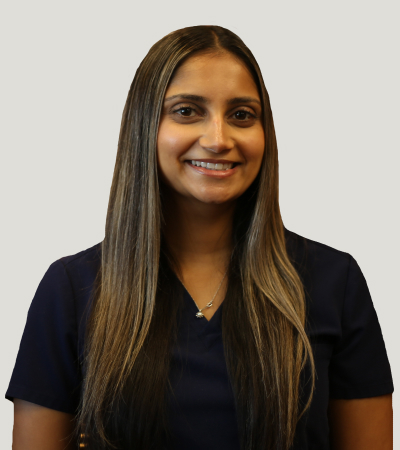
Dr. Payal Patel completed her Doctor of Dental Surgery degree at New York University College of Dentistry, following her undergraduate studies at Adelphi University. She is passionate about patient-centered care, and takes special care to listen to patient concerns, help ease anxiety, and deliver treatment in a collaborative, empathetic way.
At Smiley Dental, Dr. Patel offers a full spectrum of dental services—from preventative and restorative care to cosmetic dentistry and emergency treatment. She believes in building trust and communication, so patients feel comfortable asking questions and participating in their own treatment decisions.
Outside the clinic, Dr. Patel values community, professional growth, and patient education. She strives to stay current with emerging techniques and technologies, and she brings warmth and professionalism to every interaction, helping patients of all ages smile with confidence.
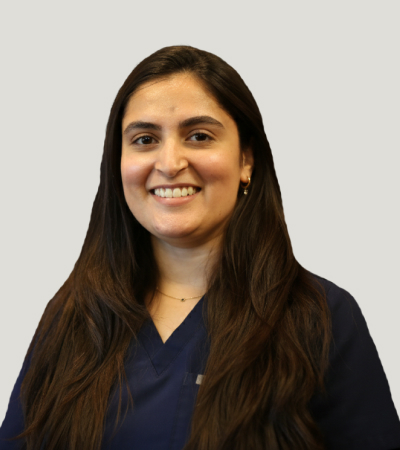
Dr. Rhea Vohra is a compassionate and skilled dental professional dedicated to providing high-quality, patient-centered care. She earned her Doctor of Dental Surgery degree from New York University College of Dentistry, where she developed a strong foundation in comprehensive and pediatric dentistry. Her passion for helping patients achieve healthy, confident smiles is reflected in her gentle approach and commitment to excellence.
At Smiley Dental, Dr. Vohra offers a wide range of services including preventive, restorative, cosmetic, and emergency dental care. She believes in building lasting relationships with her patients through trust, education, and open communication, ensuring that every visit is comfortable and stress-free. Her attention to detail and dedication to patient well-being make her an integral part of the Smiley Dental team.
Beyond the office, Dr. Vohra enjoys connecting with her community and staying current with the latest advancements in dental care. Her warm demeanor, professionalism, and passion for dentistry inspire confidence and comfort in every patient she treats.