
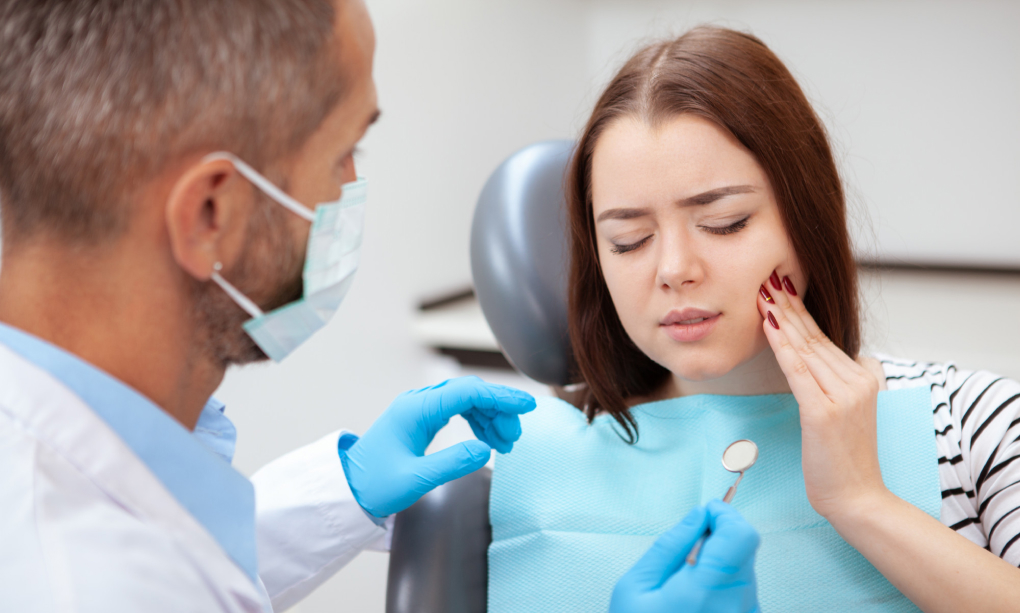
What Causes Tooth Sensitivity?
Tooth sensitivity is a common dental concern that affects millions of people. It occurs when the protective layers of the teeth become worn down, exposing the underlying dentin and nerve endings. This exposure can cause sharp, sudden pain when consuming hot, cold, sweet, or acidic foods and beverages. Understanding the causes of tooth sensitivity can help in finding the right treatment and preventive measures.
Enamel Erosion
Enamel is the hard outer layer of the teeth that protects the sensitive inner layers. Over time, it can wear down due to various factors, making teeth more vulnerable to sensitivity. Common causes of enamel erosion include:
- Frequent consumption of acidic foods and beverages such as citrus fruits, soda, and wine
- Brushing too aggressively with a hard-bristled toothbrush
- Teeth grinding or clenching, which wears down enamel over time
- Chronic acid reflux (GERD), which exposes teeth to stomach acid
Gum Recession
Gum recession occurs when the gum tissue surrounding the teeth pulls back, exposing the roots of the teeth. The roots do not have the same protective enamel layer, making them highly sensitive to temperature changes and external stimuli. Common causes of gum recession include:
- Poor oral hygiene leading to gum disease
- Brushing too hard or using improper brushing techniques
- Aging, which naturally causes gums to recede over time
- Teeth grinding, which can put excessive pressure on the gums
Tooth Decay and Cavities
When a tooth develops a cavity, the decay creates holes in the enamel, exposing the sensitive inner layers. If left untreated, cavities can reach the tooth’s nerve, causing intense sensitivity and pain.
Cracked or Worn Teeth
Cracked teeth or worn dental restorations, such as fillings and crowns, can expose the underlying dentin and nerves. Even minor cracks can cause discomfort, especially when biting into hard foods.
Post-Dental Treatment Sensitivity
It is common to experience temporary tooth sensitivity after dental treatments such as teeth whitening, deep cleanings, or filling placements. This sensitivity usually subsides within a few days to a few weeks, depending on the procedure and individual healing response.
How to Reduce Tooth Sensitivity at Home
For mild to moderate tooth sensitivity, there are several home remedies and lifestyle changes that can help alleviate discomfort and strengthen teeth.
Use a Desensitizing Toothpaste
Desensitizing toothpaste is specifically designed to reduce tooth sensitivity. These toothpastes contain compounds such as potassium nitrate and stannous fluoride, which block nerve signals and protect exposed dentin. Regular use can provide noticeable relief over time.
Adopt Proper Brushing Techniques
Brushing too hard or using a hard-bristled toothbrush can wear down enamel and contribute to gum recession. To prevent further damage:
- Use a soft-bristled toothbrush and apply gentle pressure when brushing
- Avoid brushing immediately after eating acidic foods, as enamel is softer during this time
- Use fluoride toothpaste to strengthen enamel and reduce sensitivity
Modify Your Diet
Certain foods and beverages can worsen tooth sensitivity by eroding enamel or irritating exposed dentin. To minimize discomfort:
- Limit acidic foods and drinks such as soda, citrus fruits, and vinegar-based foods
- Reduce consumption of sugary snacks, which can contribute to cavities and sensitivity
- Drink water after meals to help wash away acids and food particles
Avoid Teeth Grinding (Bruxism)
Teeth grinding, also known as bruxism, can cause enamel wear and lead to sensitivity. If you grind your teeth at night, using a custom nightguard can help protect your teeth from excessive pressure and damage. Stress management techniques, such as meditation or deep breathing, can also help reduce teeth grinding.
Try Fluoride Rinses and Gels
Fluoride helps strengthen tooth enamel and reduce sensitivity. Over-the-counter fluoride rinses and gels can be used as part of a daily oral hygiene routine to reinforce enamel and protect exposed dentin.
Use a Saltwater Rinse
A saltwater rinse can help reduce inflammation and sensitivity. To make a rinse, dissolve half a teaspoon of salt in a glass of warm water and swish it around your mouth for 30 seconds before spitting it out.
Best Professional Treatments for Long-Term Relief
If home remedies do not provide sufficient relief, professional dental treatments can help address the root cause of tooth sensitivity and provide long-term solutions.
Fluoride Treatments
Professional fluoride applications, such as fluoride varnish or gel treatments, can strengthen enamel and reduce sensitivity. These treatments are particularly beneficial for individuals with early enamel erosion or mild gum recession.
Dental Bonding or Sealants
For individuals with exposed dentin or small cracks in their teeth, dental bonding can provide protection against sensitivity. A tooth-colored resin is applied to the exposed area, sealing off the dentin and preventing further discomfort.
Sealants, which are commonly used to protect against cavities, can also be applied to sensitive teeth to create a protective barrier.
Gum Grafting for Receding Gums
If gum recession is causing sensitivity, a gum graft may be recommended. During this procedure, a small piece of tissue is taken from another area of the mouth and placed over the exposed tooth root. This helps cover the sensitive area and prevent further gum recession.
Root Canal Therapy
In severe cases where tooth sensitivity is caused by deep decay, infection, or nerve exposure, a root canal may be necessary. This procedure removes the affected nerve tissue and seals the tooth to eliminate pain and sensitivity.
Custom Nightguards for Teeth Grinding
For individuals who grind their teeth, a custom-fitted nightguard can help prevent further enamel erosion and alleviate sensitivity. Nightguards provide a protective barrier between the upper and lower teeth, reducing pressure and wear.
How to Prevent Tooth Sensitivity in the Future
Preventing tooth sensitivity involves a combination of good oral hygiene practices, dietary modifications, and routine dental care.
Brush and Floss Regularly
Maintaining a proper oral hygiene routine is essential for preventing enamel erosion, cavities, and gum recession. Brush your teeth twice a day using fluoride toothpaste and floss daily to remove plaque buildup.
Visit Your Dentist for Regular Checkups
Routine dental visits allow for early detection of enamel wear, cavities, and gum disease before they lead to increased sensitivity. Professional cleanings also remove plaque and tartar buildup that can contribute to gum recession.
Limit Acidic and Sugary Foods
Acidic foods and beverages can weaken enamel over time, making teeth more prone to sensitivity. Consuming them in moderation and rinsing with water afterward can help protect enamel.
Use a Mouthguard for Bruxism
If you clench or grind your teeth, wearing a nightguard can prevent excessive wear and reduce the risk of sensitivity.
Stay Hydrated to Maintain Saliva Production
Saliva plays a crucial role in neutralizing acids and protecting tooth enamel. Staying hydrated helps maintain saliva production, reducing the risk of dry mouth and enamel erosion.
How Smiley Dental of Lowell Can Help Treat Tooth Sensitivity
At Smiley Dental of Lowell, we offer comprehensive solutions for treating and preventing tooth sensitivity. Our team of dental professionals provides personalized care to identify the cause of your sensitivity and recommend the best treatment options for long-term relief.
Our Services Include:
- Professional fluoride treatments to strengthen enamel
- Dental bonding and sealants for exposed dentin
- Gum grafting procedures for receding gums
- Root canal therapy for severe sensitivity
- Custom nightguards to prevent teeth grinding
If you are struggling with sensitive teeth, do not ignore the discomfort. Early intervention can prevent further damage and help restore your oral health.
📞 Call (978) 999-9000 to Schedule a Consultation at Smiley Dental of Lowell!