
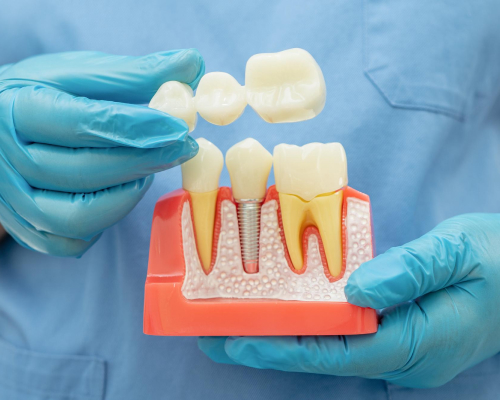
Restore Your Smile with Crowns and Bridges in Lowell MA
Dental crowns and bridges are two of the most common restorative dental procedures. Though both are used to restore broken or missing teeth, each procedure differs in how it’s placed and its overall purpose. Learn more about these two popular types of restorative dentistry and how to find the best family dentist in San Jose.
Crowns and bridges both function to restore a damaged or missing tooth, but each of these restorative dental treatments are different in terms of how they’re placed and the benefits they offer. Understanding the differences between these two dental procedures can help you make educated decisions about your oral health care needs.
Who Should Get a Dental Bridge?
Dental bridges are a great solution for many people with missing teeth, but some types of patients benefit more from them. Good candidates for dental bridges usually have one or more teeth missing in a row and have healthy teeth on either side of the gap.
Specifically, dental bridges are most recommended for:
- Individuals who want to restore proper chewing and speech abilities
- Patients who want to maintain the shape of their face and prevent remaining teeth from shifting
- Patients looking for an alternative to dental implants that is typically less expensive
- People who are seeking relatively fast treatment for their missing teeth
Individuals who are in good oral hygiene habits, since this plays a key role in maintaining the health of the bridge.
The dental restoration is particularly ideal for people who would prefer to avoid the more invasive dental implant treatment or are poor candidates for dental implants because they lack the necessary bone density in the area of the missing teeth.
Who Should Get a Dental Crown?
- People with severely decayed tooth that can no longer be effectively restored with a filling
- Patients who have just had root canal treatment
- Individuals with a cracked, chipped or fractured tooth that must be reinforced
- Patients who have a misshapen tooth or an overly stained tooth that negatively affects the appearance of their smile
- Patients with a large filling that needs additional support for the remaining tooth structure
- Individuals who need a dental bridge, since the dental crowns are used to anchor the bridge in place
- People who have dental implants because the crown will be the visible part of the dental implant
- Dental crowns may also be recommended for patients who grind their teeth a lot, as they can provide additional protection from wear and tears. Your dentist will factor things such as the extent of the tooth damage, as well as your overall oral health, before recommending a dental crown to a patient.
Why Do Some Teeth Need Dental Crowns or Bridges?
Dental crowns and bridges are both prosthetics that dental patients get to restore their teeth and help them chew better. A dental crown is placed over a tooth as a way to replace the enamel covering of the tooth. This is needed when the enamel is no longer strong enough to perform its function of protection.
Enamel is the hardest substance in the human body and is made to withstand the thermal, chemical and mechanical forces that teeth are exposed to when a person eats and drinks. It is, however, not invincible.
The enamel can be weakened by cracks, acid erosion and decay from very large cavities. A weak tooth may also be caused by any of these conditions. Teeth grinding during sleep and patients who have just undergone root canal treatment are also good candidates. A crown will then be recommended to prevent further damage to the tooth.
Longevity and maintenance
Frequently Asked Questions
How long do crowns and bridges last?
Will the crown match my other teeth?
Does the procedure hurt?
What is the difference between a crown and a bridge?
Can I eat normally with a bridge?
Get in Touch with Us
If you’re looking for quality dental care in Lowell or surrounding communities such as Dracut, Chelmsford, Tewksbury, Billerica, Tyngsborough, or Methuen, contact Smiley Dental Lowell today at 978-999-9000. Our team is here to help you achieve a smile you’ll love.
Our Rewards



Our Services

Root Canals
If you’re dealing with a toothache, sensitivity, or swelling, you may worry the tooth needs to be...
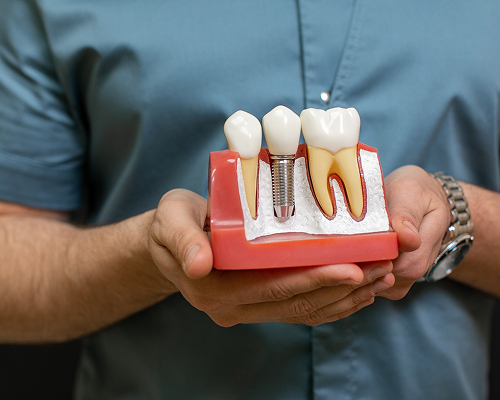
Dental Implants
Dental implants might sound technical, but they are pretty straightforward. Imagine these...

Dentures
Dentures are a set of artificial teeth attached to a gum-like substance that replaces one or...
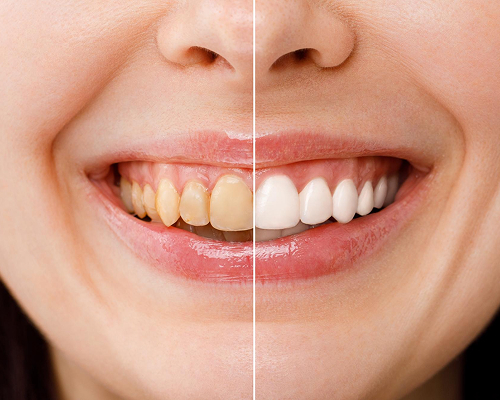
Teeth Whitening
Bleaching can help us correct tooth discoloration. Tooth discoloration can be the resul...