Professional Dental Cleaning in Lowell MA for a Healthy Smile
What is Dental Cleaning?
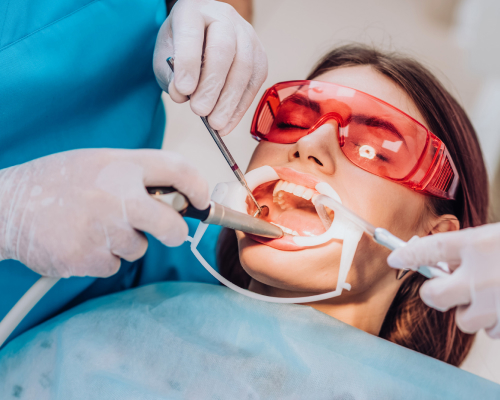
Looking for dental cleaning in Lowell? Smiley Dental offers gentle, thorough cleanings performed by experienced hygienists to improve your oral health. During this professional dental cleaning, a hygienist will clean, polish and floss your teeth to remove hardened plaque, tartar and bacteria. When coupled with good brushing and flossing habits at home, dental cleanings are vital for maintaining healthy teeth and gums.
Importance of scheduling regular dental cleanings
For the oral health of all dental patients, regular cleanings are a vital part of their care plan. This is because the longer patients wait to have their teeth cleaned, the harder it becomes to clean them. The reason for this is the plaque and tartar build-up over time, making it more difficult to eliminate. If patients have long gaps between regular dental cleanings, they will more likely need to get a deep teeth cleaning instead of routine dental cleaning.
Types of dental cleanings
There are many different types of dental cleaning services to choose from. But all types of dental cleaning have one similar goal: to remove harmful bacteria and help reduce the risk of dental issues.
Prophylaxis: The most common professional teeth cleaning for those with generally healthy teeth and gums. The article will concentrate on prophylaxis the most.
Gross debridement: Dental cleaning for those who have not seen the dentist in over a year or who have a large amount of plaque accumulation. The procedure is often the same as standard prophylaxis. The chief difference is that it could take longer to remove the hardened calculus. Gross debridement’s primary purpose is to assess whether a patient has any conditions that were not initially diagnosed before the dental cleaning.
Scaling and root planing: Commonly referred to as a deep dental cleaning, this procedure includes scaling and root planing under the gum line. The process flushes out any bacteria and hardened tartar(calculus) on the roots of your teeth. Dentists generally use this treatment to treat mild to moderate gum disease (periodontitis). When you see a dentist for deep cleaning, you will typically receive local anesthesia to numb the gums.
Who needs more frequent dental cleanings?
Seeing a dentist for cleaning twice a year is an excellent way for most people to keep their teeth and gums clean. But some situations may require a patient to visit the dentist more frequently. For example, some people may need to have more frequent dental cleanings if they:
- Have gum disease.
- Have a family history of plaque buildups or cavities.
- Have a compromised immune system.
- Are ill or have been under a lot of stress. (Certain health problems can cause problems in the mouth.)
Recommended schedule for dental cleanings
Why it’s important
Prevents tooth decay and gum disease: Removing plaque and tartar is essential to prevent cavities and gum inflammation. Regular cleaning will do just that!
Maintains overall health: Oral health is connected to overall health – regular cleanings help you avoid more significant health dental surgery down the line.
Appearance enhancement: Teeth cleaning is an excellent way to remove visible stains from plaque and tartar on your teeth. This makes your teeth appear brighter.
Tips For Maintaining Clean Teeth Between Appointments
In addition to professional dental cleaning, you should have a daily routine for keeping your teeth healthy. Some good tips to maintain top health for your teeth between checkups with the dentist are:
- Brush twice daily with fluoride toothpaste.
- Floss every day to remove food particles and plaque between teeth.
- Use mouthwash to kill bacteria and freshen your breath.
- Eat a healthy, balanced diet that is low in sugar and acidic foods.
- Drink lots of water after meals and throughout the day.
- Avoid smoking cigarettes or chewing tobacco products.
Frequently Asked Questions
How long does a cleaning take?
Does dental cleaning hurt?
Can cleanings whiten my teeth?
Why do I need cleanings if I brush well?
What is a deep cleaning?
Get in Touch with Us
If you’re looking for quality dental care in Lowell or surrounding communities such as Dracut, Chelmsford, Tewksbury, Billerica, Tyngsborough, or Methuen, contact Smiley Dental Lowell today at 978-999-9000. Our team is here to help you achieve a smile you’ll love.
Our Rewards



Our Services

Root Canals
If you’re dealing with a toothache, sensitivity, or swelling, you may worry the tooth needs to be...
Dental Implants
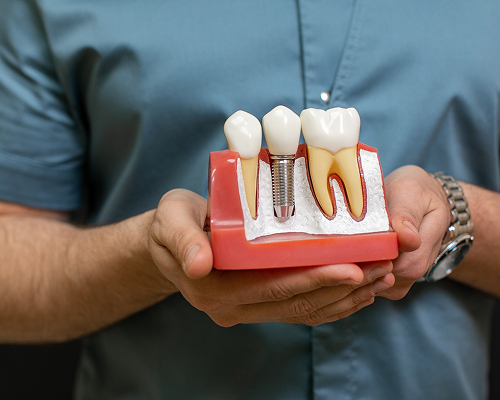
Dental implants might sound technical, but they are pretty straightforward. Imagine these...

Dentures
Dentures are a set of artificial teeth attached to a gum-like substance that replaces one or...
Teeth Whitening
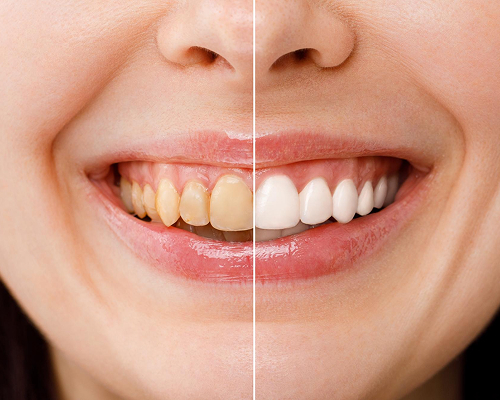
Bleaching can help us correct tooth discoloration. Tooth discoloration can be the resul...