
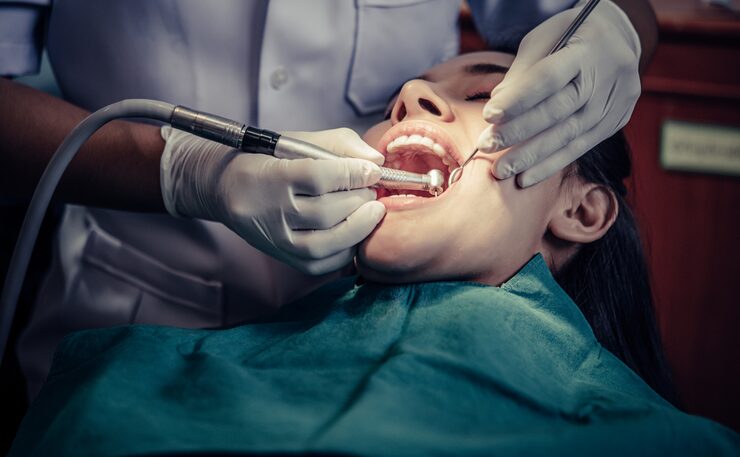
Most people think of a dental cleaning as a routine box to check twice a year. But for patients with signs of gum disease, bone loss, or deep bacterial buildup, a standard polish simply isn’t enough. Deep teeth cleaning is a clinical procedure that goes well below the gum line, targeting the root causes of oral disease before they escalate into something far more serious.
The connection between consistent preventive care and avoiding costly, invasive procedures is direct. At Smiley Dental Lowell, we see it regularly: patients who commit to deep cleaning and proper maintenance avoid the kind of advanced deterioration that leads to extractions, porcelain dental implants, and health dental surgery. Here’s what you need to know.
1. What Deep Teeth Cleaning Actually Involves
Deep cleaning, clinically known as scaling and root planing, is not the same as a routine prophylaxis. Where a standard cleaning removes plaque and tartar from the visible surface of teeth, deep cleaning targets buildup that has migrated beneath the gum line and attached itself to tooth roots.
The procedure has two key components:
Scaling removes hardened tartar deposits from below the gumline and from the root surfaces of teeth. These deposits, called calculus, cannot be removed with brushing or flossing at home and serve as a persistent source of bacterial infection if left untreated.
Root planing smooths the root surfaces after scaling, eliminating rough patches where bacteria anchor themselves and making it harder for new deposits to form. This also helps inflamed gum tissue reattach to the tooth, reducing pocket depth over time.
The procedure is typically performed under local anesthesia, is completed in one or two appointments depending on the severity of buildup, and is followed by a healing period and reassessment to measure improvement.
2. The Direct Link Between Gum Disease and Major Dental Surgery
Gum disease progresses in stages. In its earliest form, gingivitis causes redness, swelling, and bleeding but remains reversible with professional cleaning and improved home care. Left untreated, it advances to periodontitis, where the infection begins destroying the bone and connective tissue that hold teeth in place.
This is where the real cost of neglect becomes apparent. Once bone loss reaches a certain threshold, teeth become loose, shift out of alignment, and eventually require extraction. Patients then face decisions about tooth replacement options, including porcelain dental implants, bridges, or dentures. These are not minor procedures, and they come with significant time, financial investment, and recovery requirements.
Health dental surgery to address advanced gum disease or bone loss is far more complex than a deep cleaning performed at the right time. Surgical interventions like flap surgery, bone grafting, or guided tissue regeneration are sometimes necessary when non-surgical approaches can no longer manage the level of infection and damage present.
The key takeaway is simple: deep cleaning, when performed early enough, interrupts this progression and keeps surgical intervention off the table for the vast majority of patients.
3. Who Needs Deep Cleaning and When
Not every patient requires deep cleaning. Your dentist or hygienist uses a small probe to measure the depth of the pockets between your teeth and gums at regular intervals. Healthy pockets measure one to three millimeters. Readings of four millimeters or more indicate the presence of disease and suggest that routine cleaning is no longer sufficient.
You may be a candidate for deep cleaning if you experience:
- Gums that bleed consistently when brushing or flossing
- Persistent bad breath that doesn’t improve with normal hygiene habits
- Gum recession or teeth that appear longer than they used to
- Sensitivity along the gumline or at the root surfaces of teeth
- Visible tartar buildup that your regular cleaning appointment isn’t resolving
- A diagnosis of early to moderate periodontitis confirmed by X-rays and probing measurements
If any of these apply to your situation, searching for teeth cleaning near me with a practice that offers scaling and root planing is a smart and timely next step.
4. Maintaining Results After Deep Cleaning
Deep cleaning addresses existing disease. Sustaining those results is an ongoing commitment. Following treatment, most patients are placed on a maintenance schedule known as periodontal maintenance, which involves more frequent professional cleanings every three to four months rather than the standard twice-yearly visits.
This increased frequency exists for good reason. Once you’ve had active gum disease, the bacterial colonies responsible for infection can re-establish themselves more quickly than in patients with no disease history. The three-to four-month interval keeps bacterial load controlled and allows your dental team to monitor any changes in pocket depth, bone levels, or tissue health over time.
At home, consistent brushing twice daily, daily flossing, and the use of an antimicrobial rinse if recommended by your dentist all contribute to maintaining the progress made through deep cleaning. Small habits practiced consistently have an outsized impact on long-term outcomes.
5. Deep Cleaning as Part of Complete Smiley Dental Care
The value of preventive dental treatment extends beyond the gum line. Smiley dental care is about treating the whole mouth proactively, understanding that each part of your oral health connects to the others. Healthy gums support healthy teeth. Healthy teeth reduce the need for restorative work. And avoiding restorative work keeps your long-term costs, recovery time, and health risks significantly lower.
For patients who have already experienced tooth loss due to gum disease or advanced decay, porcelain dental implants represent one of the most effective and durable replacement options available. However, implants require healthy bone and gum tissue to succeed. This means that a patient with uncontrolled gum disease must first complete a course of deep cleaning, demonstrate stable gum health, and maintain that stability before implant placement is advisable.
Preventive care is not just about avoiding problems today. It’s about keeping future options open and ensuring that when restorative treatment is needed, the conditions for success are already in place.
At Smiley Dental Lowell, our approach to cleaning, prevention, and long-term dental health is built around this philosophy. Every cleaning appointment, every follow-up, and every conversation about home care is a step toward a healthier outcome.
Take the First Step Toward a Healthier Smile
Deep teeth cleaning is one of the most impactful things you can do for your long-term oral health. It stops gum disease in its tracks, protects your natural teeth, and reduces the likelihood of needing far more complex and costly treatment down the road.
Whether you’re overdue for a professional cleaning, concerned about signs of gum disease, or looking for trusted teeth cleaning near me that takes a thorough and personalized approach, the team at Smiley Dental Lowell is ready to help.
Book your dental cleaning appointment today.
Frequently Asked Questions (FAQs)
How Is Deep Cleaning Different from a Regular Dental Cleaning?
A regular cleaning removes plaque above the gum line, while deep cleaning (scaling and root planing) treats gum disease by cleaning below the gum line and smoothing tooth roots.
Can Deep Cleaning Prevent Dental Surgery?
Yes. In early to moderate gum disease, deep cleaning can stop infection and prevent bone loss, reducing the need for surgery.
Is There Downtime After Deep Cleaning?
Most patients feel mild sensitivity or soreness for a few days, which is normal and manageable with basic pain relief.
How Do Dental Implants Relate to Gum Disease?
Healthy gums are essential for implants. Deep cleaning helps control gum disease and protects bone structure needed for successful implant placement.
How Do I Find Reliable Deep Cleaning Near Me?
Choose a clinic with trained hygienists, gum health assessments, and X-rays. A thorough evaluation before treatment is key.