
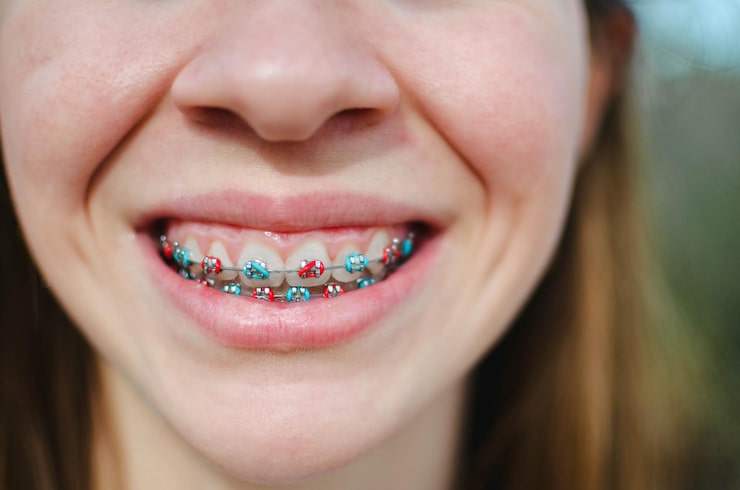
| Quick Answer Tooth colored braces, also called ceramic braces, use clear or tooth-shaded brackets to straighten teeth as effectively as metal braces, but far more discreetly. Treatment usually takes about 18 to 36 months, though every timeline is different depending on your case, age, and how your teeth respond. They cost more than metal braces and need careful cleaning to avoid staining. Good planning and an experienced team are what make the result look great and last. |
Tooth colored braces (ceramic braces) are orthodontic brackets made from clear or tooth-shaded ceramic material, offering the effectiveness of metal braces with a more discreet appearance. They are a popular middle ground for adults and teens who want fixed braces without the obvious metal look.
If you are weighing your options, this guide walks through what tooth colored braces are, how they work, what they cost, and how to care for them. We also compare them to metal braces and Invisalign clear aligners so you can choose with confidence.
What Are Tooth Colored Braces?
Tooth colored braces work just like traditional braces, using brackets and wires to gradually move teeth. The difference is that the brackets are made of ceramic that blends with your natural tooth color instead of shiny metal.
How They Differ From Metal Braces and Clear Aligners
Compared to metal braces, ceramic braces are much less noticeable, especially at conversational distance. Compared to clear aligners, they are fixed rather than removable, so they work continuously without depending on you to wear them. They are not invisible like aligners, but far more discreet than metal.
Materials Used
The brackets are typically made of aluminum oxide ceramic, engineered to match tooth enamel. Some systems pair them with frosted or tooth-colored wires for an even subtler look. The elastic ties that hold the wire can be clear, tooth-colored, or any color you like.
Tooth Colored Braces at a Glance
| Feature | Tooth Colored (Ceramic) Braces |
| Appearance | Discreet, blends with teeth |
| Brackets | Ceramic, tooth-shaded |
| Fixed or removable | Fixed to the teeth |
| Effectiveness | Same as metal braces |
| Typical treatment time | About 18 to 36 months |
| Main care concern | Keeping ties from staining |
How Do Tooth Colored Braces Work?
Ceramic braces move teeth using steady, gentle pressure, the same proven mechanics as metal braces.
The Bonding Process
At your fitting, the orthodontist cleans each tooth and bonds a ceramic bracket to the front with adhesive. An archwire is then threaded through the brackets and held with elastic ties or self-ligating clips. The appointment is painless, though your teeth may feel tender for a few days as they begin to move.
Wire and Bracket Mechanics
The archwire applies continuous, light force that gradually guides teeth into their new positions. Over treatment, your orthodontist adjusts or replaces the wire at regular visits, moving from softer, flexible wires to stiffer ones as your teeth align.
Treatment Duration
Most patients wear ceramic braces for about 18 to 36 months, similar to metal braces and sometimes slightly longer. Your timeline depends on how much your teeth need to move, your age, and how your body responds. Every plan is different, so your orthodontist gives you a personalized estimate.
Tooth Colored Braces vs Other Options
Choosing an orthodontic option comes down to appearance, cost, and your case. Here is how the main choices compare:
| Factor | Ceramic Braces | Metal Braces | Invisalign |
| Visibility | Discreet | Very visible | Nearly invisible |
| Fixed or removable | Fixed | Fixed | Removable |
| Complex cases | Yes | Yes | Mild to moderate |
| Staining risk | Ties can stain | Low | Low |
| Typical cost (2026) | $4,000 to $8,500 | $3,000 to $7,000 | $3,500 to $8,000 |
| Best for | Discreet, fixed option | Durability, budget | Near-invisible, disciplined wear |
Cost figures are 2026 national estimates based on AAO survey data and insurer fee schedules. Your price depends on your case and location.
Ceramic vs Metal Braces
Both are equally effective. Ceramic wins on looks, while metal wins on cost and durability. Metal is often better for athletes or anyone likely to test every food rule, since ceramic brackets can be a bit more fragile.
Ceramic Braces vs Invisalign
Invisalign is nearly invisible and removable, but it depends on you wearing the aligners 20 to 22 hours a day and suits mild to moderate cases. Ceramic braces work continuously and handle more complex cases, without any daily discipline required. For a deeper look, see our guide to clear aligners versus traditional braces.
Ceramic vs Lingual Braces
Lingual braces attach behind the teeth and are hidden, but they cost more, can affect speech at first, and are harder to clean. Ceramic braces offer discretion at a lower cost and with easier care.
Pros and Cons of Tooth Colored Braces
Like any option, ceramic braces have real trade-offs. Here is an honest look:
Advantages
- Discreet appearance, blending with your natural teeth.
- Just as effective as metal, even for complex cases.
- Fixed and always working, with no daily wear decisions.
- Often smoother feeling against the lips and cheeks than metal.
Disadvantages
- Higher cost than metal braces, usually by $1,000 to $1,500.
- Staining risk, mainly of the elastic ties between visits.
- Slightly more fragile, so brackets can chip under heavy force.
- May take slightly longer than metal in some cases.
How Much Do Tooth Colored Braces Cost?
Tooth colored braces typically cost $4,000 to $8,500 in 2026, roughly $1,000 to $1,500 more than metal braces, which run $3,000 to $7,000. Invisalign falls in a similar range at $3,500 to $8,000.
What Affects the Cost
Your price depends on how complex your case is, how long treatment takes, your location, and your orthodontist’s experience. More complicated bites need more time and cost more.
So is $7,000 a lot for braces? It sits at the higher end for metal braces and in the mid-range for ceramic, so it is a normal, realistic figure for many cases, not unusually high. A quote after an exam tells you what your specific treatment will cost.
Insurance and Financing
Most PPO dental plans that include orthodontic benefits cover ceramic and metal braces at the same level, often up to a set lifetime maximum. Financing spreads the rest into monthly payments. You can review your insurance and payment options with our team before you start.
| Curious what your treatment would cost? The team at Smiley Dental Lowell can evaluate your smile and give you a personalized plan and quote. Call 978-999-9000 or request an appointment online. |
Are Tooth Colored Braces Right for You?
Best Candidates
Ceramic braces are a great fit for appearance-conscious adults and teens who want a discreet, fixed option and are willing to be careful about staining foods. They handle everything from mild crowding to complex bite problems. And if you are wondering whether adulthood is too late, our post on straightening teeth at any age explains why it is not.
When Metal May Be Recommended
Your dentist may suggest metal braces if you play contact sports, have a very complex case where durability matters most, or want the lowest cost. Younger patients who are hard on their teeth sometimes do better with sturdier metal brackets. The right choice always comes from a personalized evaluation.
What to Expect During Treatment
Knowing the rhythm of treatment makes the whole experience easier.
The Fitting Appointment
Your first visit involves cleaning the teeth, bonding the ceramic brackets, and placing the archwire. It takes one to two hours and is painless, though mild soreness for a few days afterward is normal.
Adjustments and Maintenance
You will see your orthodontist every six to eight weeks for adjustments, when the wire is tightened or changed and stained ties are swapped for fresh ones. These visits keep treatment on track and your braces looking clean.
Caring for Ceramic Braces
Brush after every meal, clean carefully around each bracket, and use interdental brushes or a water flosser to reach under the wire. Avoid hard and sticky foods like nuts, hard candy, and caramel that can chip a bracket or bend a wire.
| How to Keep Tooth Colored Braces Stain-Free The ceramic brackets resist staining, but the elastic ties can pick up color. To keep them looking their best: limit coffee, tea, red wine, and curry, rinse with water after staining foods, brush thoroughly, avoid smoking, and let your orthodontist replace the ties at each visit. Choosing tooth-colored rather than clear ties also helps hide any minor discoloration between appointments. |
Potential Risks and How to Minimize Them
Ceramic braces are safe and effective, but a few issues are worth knowing so you can avoid them:
- Bracket breakage: ceramic can chip under hard force, so avoid hard foods and wear a mouthguard for sports.
- Ties discoloring: limit staining foods and let your orthodontist refresh the ties at each visit.
- White spots or decay: clean thoroughly around brackets, since trapped plaque can mark enamel.
Keeping up with regular dental cleanings and checkups throughout treatment protects your gums and catches any issue early.
Life With Tooth Colored Braces
Eating and Diet
Stick to braces-friendly foods and cut hard items into small pieces. Avoid sticky candy, whole nuts, popcorn, and biting into hard fruits, which can damage brackets. Staining drinks like coffee and red wine are fine in moderation if you rinse and brush.
Oral Hygiene Routine
Brushing after meals and cleaning under the wire daily is essential with any braces. A water flosser and interdental brushes make it much easier to keep both your teeth and your braces clean.
Sports and Activities
You can stay active with ceramic braces. Just wear a mouthguard for contact sports to protect your braces and your mouth. Musicians who play wind instruments usually adjust within a week or two.
Tooth Colored Braces vs Tooth Colored Fillings
One quick point of confusion worth clearing up: tooth colored braces and tooth colored fillings are different things. Braces straighten teeth, while tooth colored fillings repair cavities with a composite material shaded to match your natural tooth color.
Both share the goal of a natural-looking result rather than obvious metal. Where an old metallic tooth filling stands out, a modern composite filling blends in, much like ceramic brackets blend in compared to metal ones. Straightening and whitening are also part of a broader menu of cosmetic dentistry that can be sequenced for the best result.
Frequently Asked Questions
The ceramic brackets themselves resist staining well, especially newer 2026 versions. The elastic ties that hold the wire can pick up color from coffee, tea, wine, or curry, but they are replaced at every adjustment. Good brushing and limiting staining foods keep everything looking clean.
Most patients wear ceramic braces for about 18 to 36 months, similar to metal braces. Your exact timeline depends on how much your teeth need to move and how they respond. Your orthodontist gives you a personalized estimate after an exam.
Yes, usually by about $1,000 to $1,500. Ceramic braces run roughly $4,000 to $8,500 in 2026, while metal braces are $3,000 to $7,000. Most PPO plans that cover orthodontics cover both at the same benefit level, so your out-of-pocket difference may be smaller.
Absolutely. Adults are the fastest-growing group in orthodontics, and ceramic braces are especially popular with working professionals who want a discreet option. There is no age limit for straightening your teeth, as long as your gums and teeth are healthy.
No. Both cause similar mild soreness for a few days after fitting and adjustments as teeth move. Many patients find ceramic brackets feel a little smoother against the lips and cheeks. Any discomfort is temporary and eases with over-the-counter pain relief.
It is best to wait. Whitening while wearing braces can lighten only the exposed parts of your teeth, leaving patches where the brackets sat once they come off. Most dentists recommend whitening after treatment for an even, consistent result.
Brush after every meal, clean carefully around each bracket, and use interdental brushes or a water flosser to reach under the wire. Avoid hard and sticky foods, and keep up with regular dental cleanings. Good hygiene prevents both staining and white spots on enamel.
For the most discreet look, choose tooth-colored or clear elastic ties on ceramic braces, ideally paired with a tooth-colored wire. These blend with your natural tooth color. If you want fun, visible color instead, bright ties are always an option and are swapped at each visit.
Key Takeaways
- Tooth colored braces straighten teeth as effectively as metal, but far more discreetly.
- Treatment usually takes 18 to 36 months, though every timeline is personal.
- They cost about $4,000 to $8,500 in 2026, a bit more than metal braces.
- The brackets resist staining, but the ties need care and are refreshed each visit.
- They suit adults and teens who want a discreet, fixed option for simple or complex cases.
If you are ready to straighten your smile discreetly, the best next step is a consultation. Book with Smiley Dental Lowell to find out whether tooth colored braces are right for you, and to get a personalized plan and quote. Call 978-999-9000 or request an appointment online today.
| Straighten your smile, discreetly. Book a consultation at Smiley Dental Lowell to explore tooth colored braces and your other options. Call 978-999-9000 or request an appointment online. Find us at 1141 Bridge St, Lowell. New patients are always welcome. |